Alagadi Turtle Beach: The Ultimate North Cyprus Travel Guide
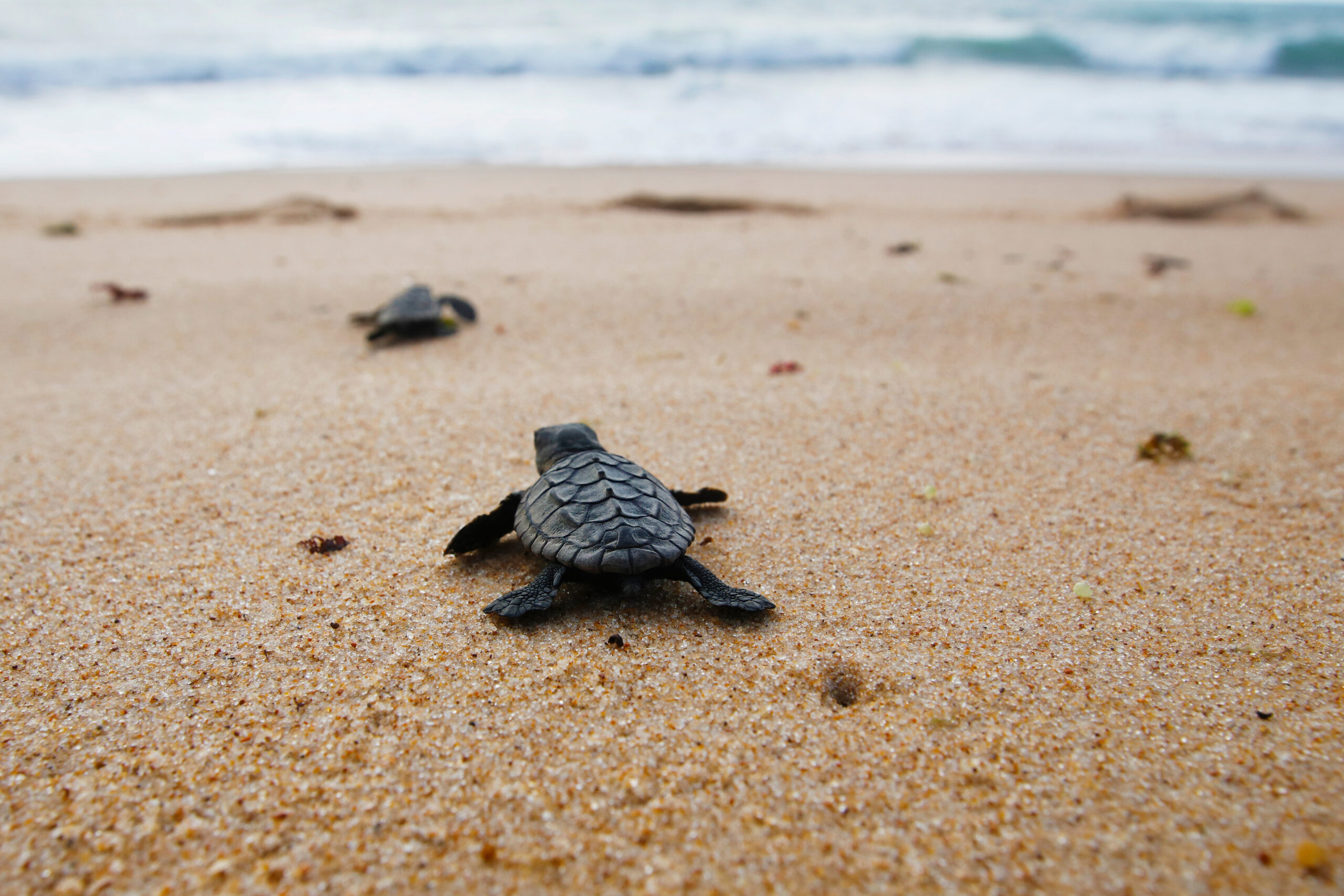
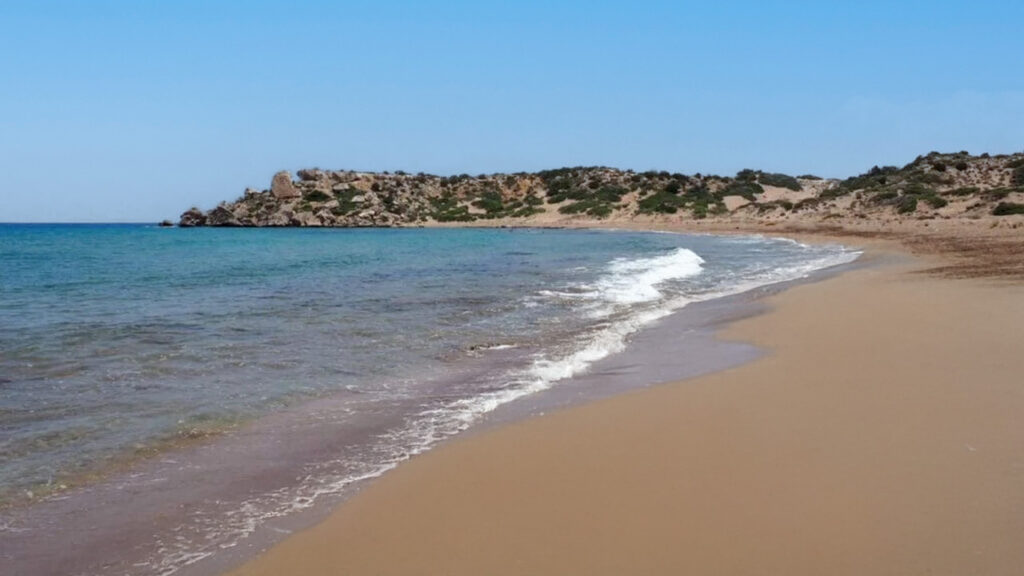
Alagadi Turtle Beach in North Cyprus is one of the island’s most important natural landmarks. Known for its clear Mediterranean waters, peaceful atmosphere, and seasonal sea turtle nesting, it represents a unique intersection of pristine coastal beauty and ecological conservation. Located just east of Kyrenia (Girne), this double-bay coastline remains largely undeveloped to protect the delicate nesting grounds of endangered sea turtles. For nature lovers, relocators, and property investors evaluating the Kyrenia-Esentepe corridor, Alagadi Turtle Beach offers a premier example of how North Cyprus preserves its natural heritage while supporting sustainable regional appeal.
Whether you are planning a day trip to swim in its calm waters, hoping to witness the nesting of Caretta caretta turtles, or exploring the surrounding real estate market, this complete guide provides the practical details and local insights you need to experience Alagadi Beach responsibly.
Where Is Alagadi Turtle Beach Located?
Alagadi Beach is situated approximately 15 kilometers east of Kyrenia (Girne) city center, along the main coastal highway that runs toward the Karpaz Peninsula. It lies at the base of the Kyrenia Mountain Range (Five Finger Mountains), offering a scenic backdrop where rugged limestone peaks meet the Mediterranean Sea.
Administratively, the beach is situated near the villages of Alagadi and Esentepe. This location makes it highly accessible for residents of Kyrenia, as well as those living in the expanding residential communities of Esentepe and Tatlisu. The surrounding area consists of low-lying agricultural land, natural coastal dunes, and low-density residential developments that blend harmoniously with the Mediterranean landscape.
For those traveling to the beach by car, the drive from Kyrenia is straightforward and takes approximately 15 to 20 minutes along the dual-carriageway coastal road. There is a clearly marked turnoff for Alagadi Beach, which leads down a narrow asphalt lane toward the parking areas behind the dunes.
Distances to Airports in Cyprus
For international travelers visiting North Cyprus, Alagadi Turtle Beach is well-connected to the island’s primary airports. The driving times and distances are as follows:
| Airport | Distance | Driving Time | Primary Route |
|---|---|---|---|
| Ercan International Airport (ECN) | 38 km | ~40 minutes | Via Dağyolu (mountain road) or the new bypass toward Kyrenia East |
| Larnaca International Airport (LCA) | 85 km | ~1 hour 15 minutes | Via the Metehan (Nicosia) or Beyarmudu border crossings |
| Paphos International Airport (PFO) | 165 km | ~2 hours 15 minutes | Via the southern highway and Nicosia border crossings |
Ercan Airport is the most convenient option for domestic flights and travelers arriving via Turkey, offering a direct, toll-free route through the scenic mountain pass. Larnaca Airport serves as a major hub for European carriers, with straightforward car rental and taxi transfer services available across the green line border.
Nesting Season Guidelines and Regulations
Because Alagadi Turtle Beach is a designated conservation area, strict regulations are enforced during the sea turtle nesting and hatching season (May 1st to October 31st). These rules are designed to protect the nesting turtles and ensure that hatchlings are not disoriented by human activity.
To support these conservation efforts, please adhere to the following rules:
- No Access at Night: The beach is closed to the public between 8:00 PM and 8:00 AM. No entry is allowed during these hours unless you are part of an organized, volunteer-guided SPOT night watch.
- No Lights or Fires: Do not use flashlights, phone screens, cameras with flash, or light beach fires at night. Artificial light disorients hatchlings, drawing them away from the sea, and can deter nesting females from approaching the shore.
- Avoid the Nesting Zones: SPOT volunteers mark nests with red cages or stakes. Do not sit, walk, or place umbrellas near these markers.
- No Digging: Avoid digging deep holes in the sand, as you may disturb undetected nests or create obstacles that hatchlings cannot escape.
- No Umbrellas in the Dry Sand: Keep umbrellas, beach chairs, and heavy items close to the wet sand near the water’s edge. Nesting occurs in the warm, dry sand further up the beach.
- Keep Dogs on a Leash: Unleashed dogs can easily dig up nests or harm hatchlings. Always keep pets under control.
- Take All Trash With You: Plastic waste and litter are major hazards for sea turtles, who often mistake plastic bags for jellyfish. Ensure you pack out everything you bring to the beach.
Facilities at Alagadi Turtle Beach
To protect the nesting habitat of the sea turtles, commercial development is strictly prohibited on Alagadi Turtle Beach. This means visitors will not find typical beach resort amenities such as sunbed rentals, showers, changing cabins, or commercial watersports.
If you plan to spend the day at Alagadi, you should prepare accordingly:
- Shade and Seating: Bring your own beach umbrella and chairs. Remember to set them up close to the water line, avoiding the dry sand where nests are located.
- Water and Snacks: Bring plenty of drinking water, sunscreen, and food, as there are no shops directly on the sand.
- Dining Options: While there are no facilities on the beach itself, the popular Alagadi Restaurant and a few small local cafes are located just behind the dunes, within walking distance of the parking lots. These venues serve traditional Cypriot meze, fresh fish, and refreshments during the summer season.
- Trash Disposal: There are trash bins located near the parking entries. Please use them or take your rubbish home with you.
Exploring Other North Cyprus Beaches Nearby
While Alagadi Turtle Beach is spectacular, visitors exploring the coastline will find several other incredible north cyprus beaches within a short driving distance. The broader region of kyrenia beaches offers diverse coastal experiences, from vibrant, fully-serviced beach clubs to hidden, tranquil coves.
Acapulco Beach Resort
Just a 10-minute drive west towards Kyrenia, Acapulco Beach Resort provides a stark contrast to Alagadi’s natural, uncommercialized environment. Here, families can enjoy water parks, luxury sunbeds, beachfront restaurants, and extensive watersports facilities. It is one of the most popular north cyprus beaches for those seeking a full-service resort day. For more details on diverse coastal spots, read our Ultimate Guide to North Cyprus Beaches.
Diana Beach
Located closer to Kyrenia center, Diana Beach is a cozy, intimate bay that is perfect for a quick afternoon swim. The waters are shallow and calm, though the beach is much smaller than Alagadi Turtle Beach. You can check local reviews and recommendations for Kyrenia on TripAdvisor’s Kyrenia Guide to plan your surrounding itinerary.
Karpaz Peninsula Beaches
For travelers willing to venture further east, the Karpaz Peninsula offers some of the most dramatic and unspoiled coastlines in the Mediterranean. Golden Beach, located at the tip of the peninsula, shares Alagadi’s untouched beauty but operates on a much grander scale, stretching for miles with wild donkeys roaming the nearby dunes. For a deeper look at the local shorelines, explore our Kyrenia Beaches Guide.
By expanding your itinerary to include these varied coastal destinations, you can fully appreciate the diverse range of north cyprus beaches. Whether you prefer the ecological significance of Alagadi Turtle Beach, the luxury of Acapulco, or the remote splendor of Karpaz, the northern coastline has something to offer every type of traveler.
Conclusion
Alagadi Turtle Beach is one of the most significant natural landmarks in North Cyprus. It offers a rare balance between scenic Mediterranean beauty and ecological responsibility, showing how conservation and tourism can coexist. Whether you visit to swim in its clear waters, watch sea turtles make their run to the sea, or explore property investment opportunities in the nearby Esentepe region, Alagadi provides an authentic coastal experience rooted in respect for nature.
If you are planning to visit or relocate to North Cyprus, exploring the Kyrenia East coastline is essential. Contact us today to learn more about our low-density residential projects near Alagadi, or explore our comprehensive North Cyprus Property Investment Guide to understand the market opportunities in this protected coastal corridor.